
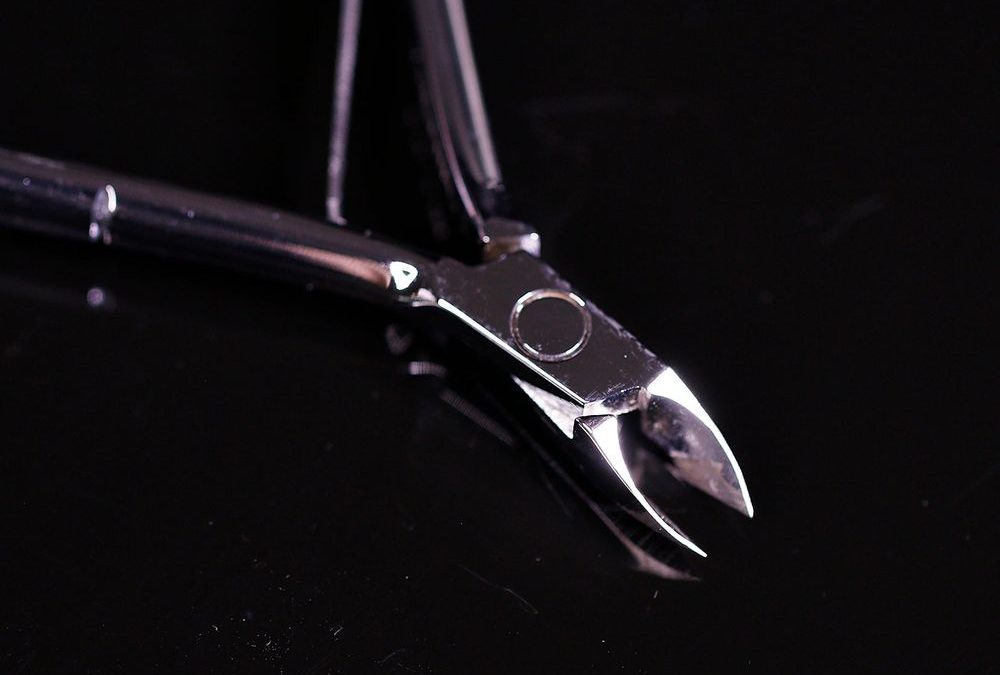
You know the feeling: short, natural nails that look tidy from a distance but hide ragged cuticle edges and tiny snags up close. When your nail fold has stubborn dead skin or a shallow ingrown edge, a precise, confidence‑inspiring trim is what saves the set—and your reputation for clean work. The D18 – Sharp Cuticle Cutter is a mirror‑polished, full‑jaw professional nipper built for exactly this situation. Below are clear signs you should reach for a tool like the D18, with targeted technique notes so you can get in, make a surgical micro‑cut, and stop before you overdo it.
1. Sign: Cuticle edges lift but the skin won’t lie flat
Why it matters: Lifted, loose eponychium around short nails creates visible texture and can catch polish. A full‑jaw blade gives a wider, confident bite so you trim the flap cleanly across a slightly broader surface than a tiny tip would.
How the D18 helps: The D18’s full‑jaw design and hand‑filed, ultra‑sharp blades let you close in one controlled motion across short nail folds. Use a single, decisive micro‑cut along the lifted edge rather than multiple nips—position the blades parallel to the nail plate and compress gently. The mirror chrome finish on the tool also helps you see reflections and angle the jaw precisely.
2. Sign: Tiny ragged bits remain after pushing back cuticles
Why it matters: Even with a softener and push, microscopic dead skin can stay adhered to the lateral nail fold and look messy under polish. They’re hard to remove with a file or orange stick without risking damage.
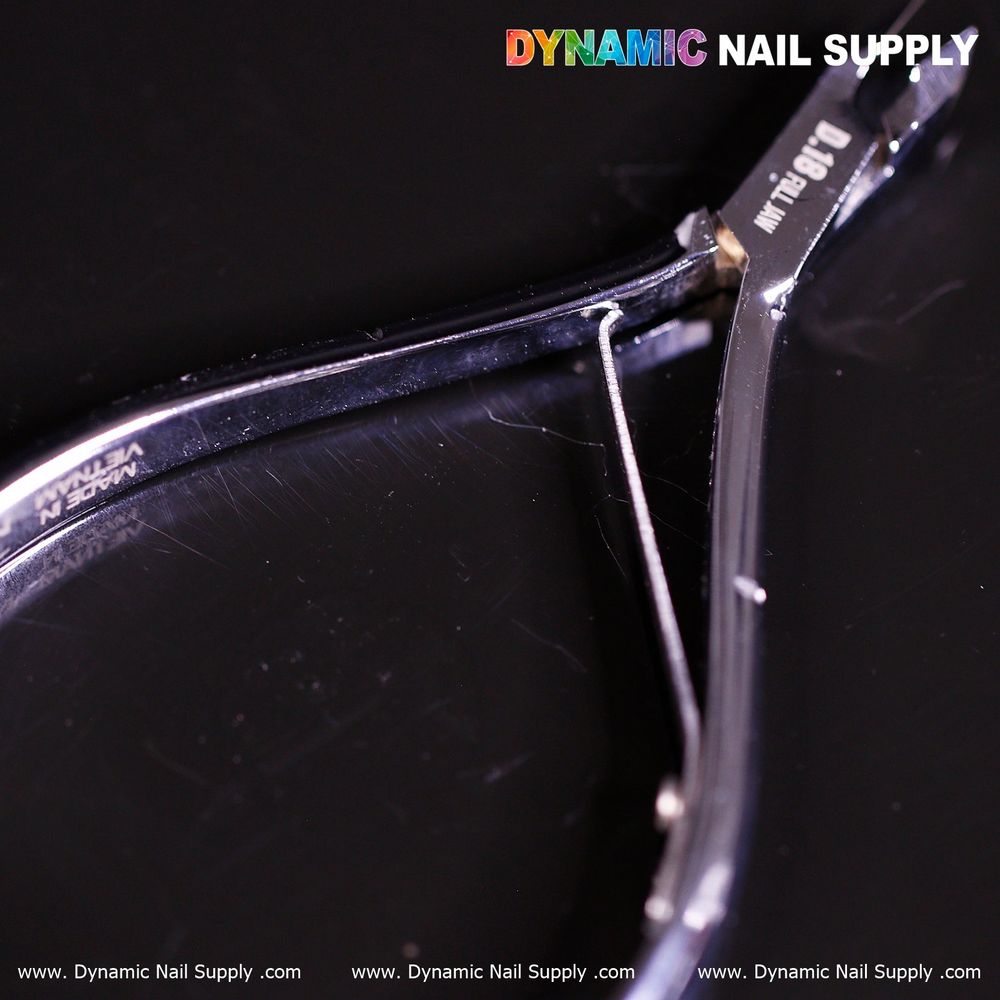
How the D18 helps: The D18’s angled cutting edges are visible and sharp, designed for tiny, accurate cuts right at the edge of the nail fold. Hold the nipper lightly between thumb and finger, use the spring for a quiet snap, and make short, confident micro‑movements rather than sawing. The ergonomic handle reduces hand tension when you repeat that same small motion across multiple fingers.
3. Sign: You encounter shallow ingrown edges on short natural nails
Why it matters: Early‑stage ingrowns on short nails often present as a small, thickened roll of skin at the lateral edge. Removing only what’s safe and dead without nicking live tissue is the trick.
How the D18 helps: With a full‑jaw nipper you can place the wider jaw over the ingrown section and take slightly deeper, controlled bites when needed. The carbon steel construction maintains edge sharpness so you cut cleanly without tugging; the smooth joint and spring let you control depth through finger pressure, helping prevent overcutting.
4. Sign: You want consistent, repeatable trimming for salon speed
Why it matters: Busy techs and DIYers on a schedule need a technique that delivers the same clean result quickly. Hesitation or excessive trimming increases risk.
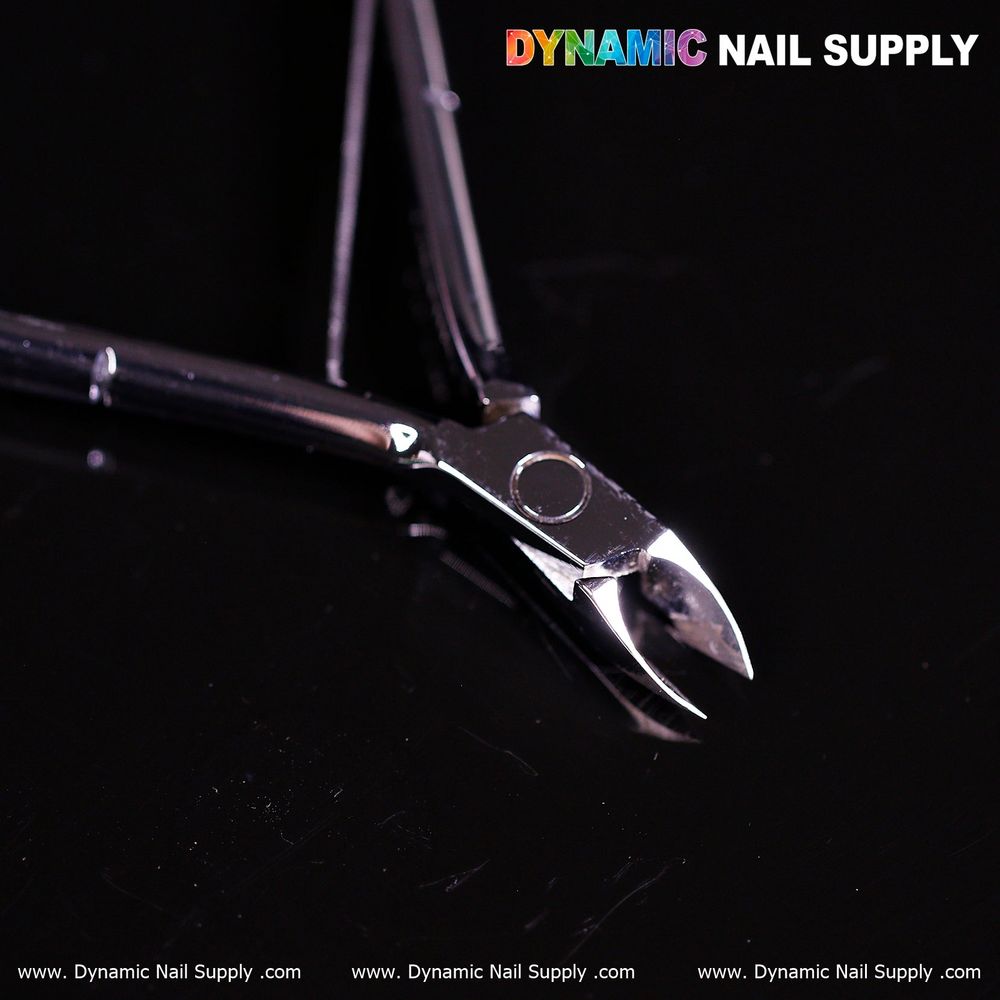
How the D18 helps: The D18’s balance, visible hinge detail, and steady spring create a repeatable feel. Use short, spaced strokes: inspect, place, compress, and release. Repeat the pattern down the fold—this rhythm produces uniform cuts across short nails and keeps your session efficient and safe.
5. Sign: Your aesthetic calls for a clinical, minimalist finish
Why it matters: Short natural nails often pair with clean, glossy finishes or minimalist chrome accents; uneven cuticles ruin that crisp look.
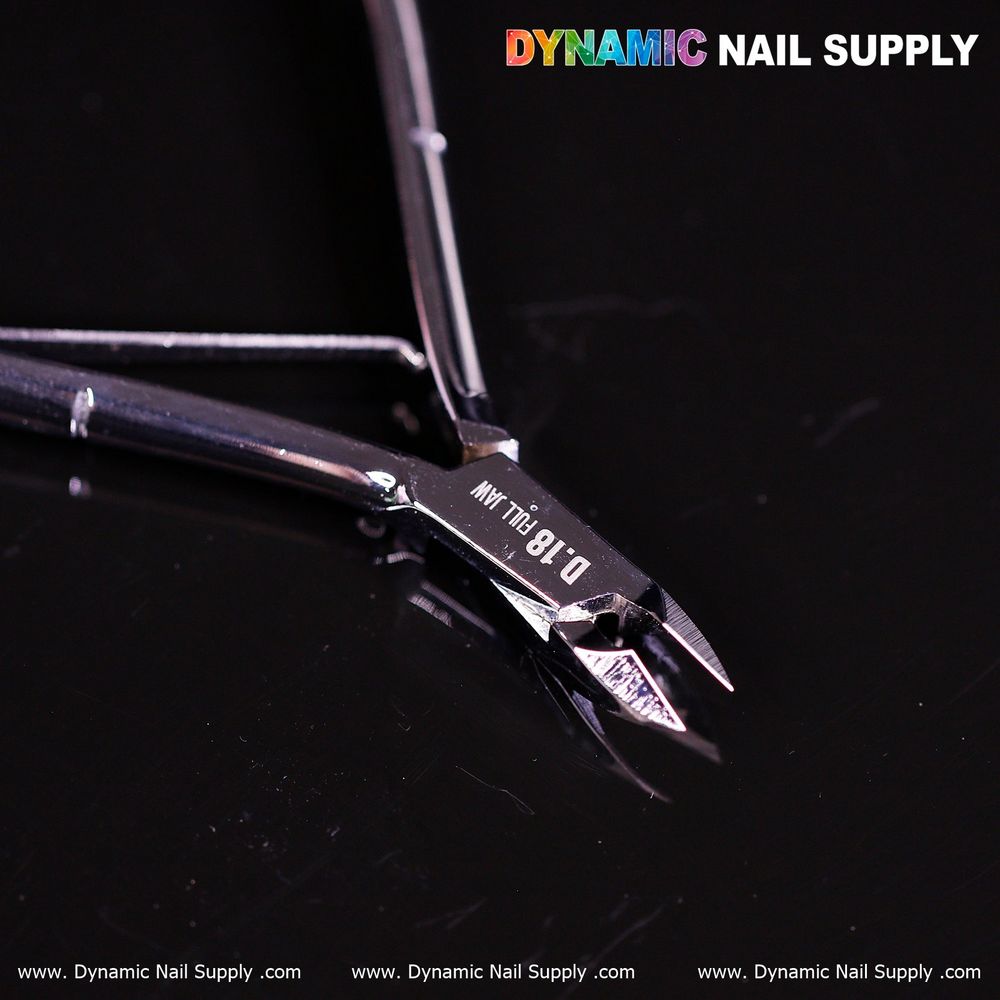
How the D18 helps: The D18’s mirror‑polished chrome surface and precise angle let you shave microscopic dead skin level with the nail plate. After trimming, a light buff and hydrating cuticle oil will reveal neat margins that sit perfectly under polish or a clear top coat.
Technique Checklist: Step‑by‑Step For Short Nails
- Sanitize hands and tools; work on dry, pushed‑back cuticles after softening (avoid over‑softening).
- Inspect the fold with good light; decide one micro‑cut per problematic spot.
- Grip the nipper lightly—index finger along handle, thumb on the opposite side—use the spring for control.
- Angle blades parallel to the plate; place jaw to encompass only dead skin.
- Compress with steady pressure for a single clean cut; do not saw or re‑cut the same spot.
- Finish with gentle buffing and apply oil to rehydrate the area.
Care, Safety, and When To Stop
Always stop if you see fresh bleeding, pain, or tissue that looks live and pink—those are signs you’ve reached viable skin. The D18 is carbon steel with a protective coating; wipe and sterilize after each use, and avoid aggressive chemical sterilants that could dull the edge. Replace or professionally sharpen if you notice tugging. For price reference the D18 is available around $12, though prices may change.
When you want clean, salon‑ready short natural nails with minimal fuss, the D18 Sharp Cuticle Cutter’s mirror‑polished full‑jaw design gives you the control and visibility to make precise micro‑cuts. Use the checklist above to build a quick, safe routine that protects the nail fold and creates a crisp finish, and remember to prioritize care at every step. If you decide the D18 fits your kit, consider how its balance and jaw size will slot into the short‑nail workflow—D18 Sharp Cuticle Cutter
Final safety note: Keep tools out of reach of children, inspect the jaw before each use, and never trim beyond a clearly keratinized edge to avoid injury.